Medical IoT · Health kiosk
ATM Sehat - Medical Device Data Integration
Health kiosk app that brings ketone, spirometer, and hematocrit readings from BLE devices and REST APIs into one patient record.
- ~5 min → <5 sper BLE measurement sessionFrom the start of a measurement to the result in the app, on the spirometer and the hematocrit analyzer. Observed in operation, not a formal benchmark.
Context
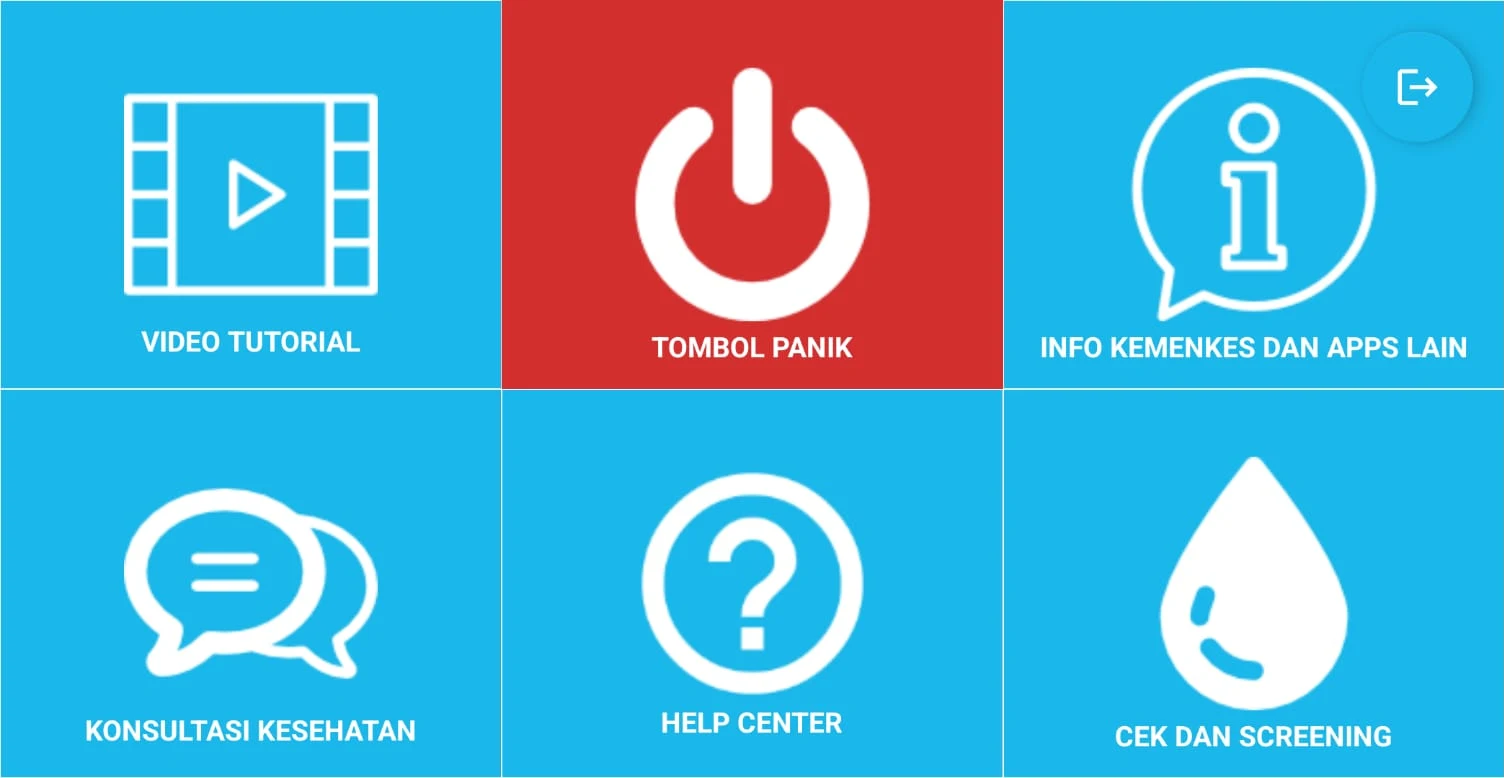
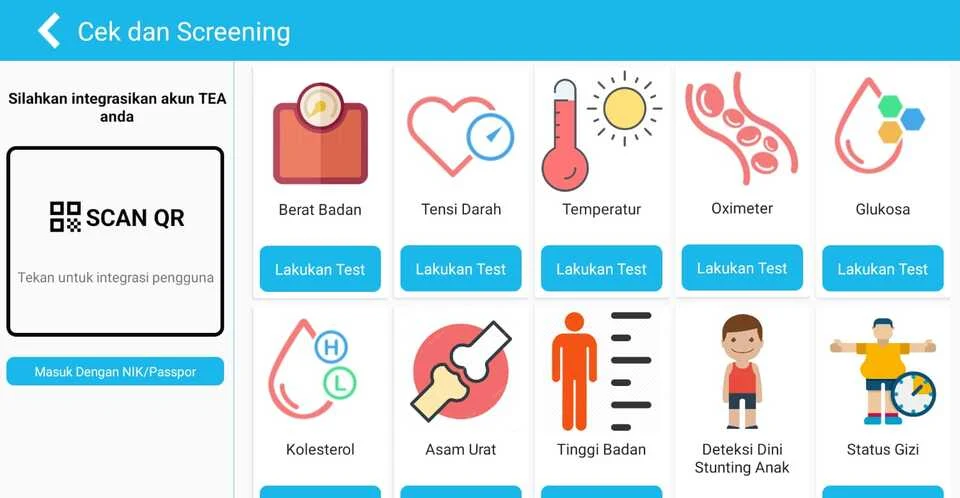
ATM Sehat is a health kiosk that records manual and device-based medical tests for remote diagnosis. Readings from medical devices arrived over Bluetooth Low Energy (BLE) and REST APIs, and a single BLE measurement took around five minutes. That is too slow for a real check-up flow.
Contribution
I work on the Android app as a freelance developer for Telehealth Indonesia, focused on medical device integration.
Technical approach
- BLE devicesSpirometer, hematocrit analyzer
- REST APIsDevice readings via API
- Manual entriesEntered in the app
One patient record
- Before
- ~5 min
- After
- <5 s
per BLE measurement session
- Redesigned the BLE layer. I reworked connection handling, GATT negotiation, and the data transfer strategy between the app and the devices.
- One patient record from many sources. Ketone, spirometer, and hematocrit readings from BLE devices and REST APIs are unified into one patient record.
- Manual and automatic input together. The app combines manual entries with automatic device readings.
Outcome
One BLE measurement session on the spirometer and the hematocrit analyzer went from about 5 minutes to under 5 seconds, from the start of the measurement to the result in the app. The number comes from use in operation, not from a formal benchmark.